MORAL LIFE AND THE MODERN WORLD
UNDERGRADUATE COLLOQUIUM
What does it take to live a moral life over time — not just in moments of crisis or decision, but in the ordinary rhythms of daily life? In a world shaped by efficiency, productivity, and constant evaluation, it can be difficult to cultivate habits of attention, judgement, and care that endure.
We are shaped by the values prioritized in the modern world, the institutional settings we inhabit, and the small, repeated choices that fill our days. How, then, can we remain active participants in our own formation and exercise agency in who we are becoming? Rather than offering clear rules or easy answers, the retreat invites participants to reflect on who they are becoming within the university and beyond.
This undergraduate colloquium is an opportunity to reflect together on the moral dimensions of modern life. Across our discussions, participants will consider how moral lives are formed through patterns of thought and practice: how we come to recognize ways we are being shaped, how we sustain commitments over time, and how we remain oriented toward the good amid competing demands.
This program is free and open to undergraduate students and recent graduates (≤1 year) who are not currently enrolled in a graduate program. Participants are required to attend the retreat in its entirety, which will take place at the Berkeley Institute. See below for descriptions of each session and a general schedule of events.
Session 1 | Control and the Moral Life
In this session we’ll draw on recent work from the German sociologist Hartmut Rosa to better understand the structural and cultural forces that make so many of us feel unhappy, rushed, alienated. We’ll discuss why our understandable desires to “engineer” our lives leave us discontented and whether Rosa’s notion of “resonance” can offer a fresh way to imagine and practice the moral life.
Session 2 | Moral Reflection in the University
In this session, we will discuss the role moral reflection has historically had in education, looking at different theories across classical and modern education. We will discuss why moral reflection might have less of a role in undergraduate education now (for good and bad reasons). And we will consider practices we can instill in our own lives, courses and intellectual communities to nurture our own moral capacities in relation to our academic work.
Session 3 | The Inner Life
In this session, we will explore the moral significance of the inner life and how the habits we cultivate shape who we become. Rather than treating morality as outward behavior alone, we will consider how moral orientation is formed within the hidden spaces of the self — and why contemporary culture often resists sustained inward reflection. We will reflect on practices that cultivate honesty and perceptive clarity of reality, keeping before us the enduring question: Who are we becoming?
-
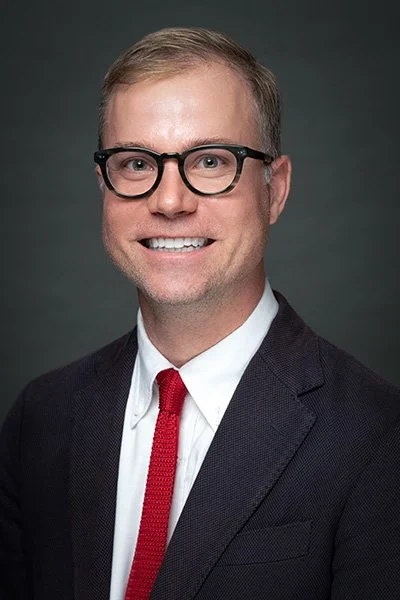
Professor Michael West
-

Dr. Dena Fehrenbacher
-

Dr. Monica Mikhail
-
Thursday, February 19
5:00 - 6:15PM | 1st Session
6:30PM | Dinner
-
Friday, February 20
12:00 - 1:15PM | Aesop’s Fables Reading Group & Lunch
1:45 - 3:00PM | 2ND SESSION
3:00 - 4:00PM | OUTING
4:15 - 5:30 | 3RD SESSION
5:45 | DINNER