
War and Human Dignity, 1789-1991
This talk interrogates how wars have been central in the creation of our concept of “human dignity.” It draws on key wars and episodes from the French Revolution to the fall of the Soviet Union. Using these historical periods, the talk explores themes like: (1) how revolutionary wars selectively defined who had dignity and who did not, (2) how capital and empire created new forms of dehumanization, (3) how the world wars have denied human dignity through bureaucracy and technology, and (4) how expanding definitions of human rights have provoked backlash. The talk takes inspiration from Eric Hobsbawm’s tetralogy on world history (The Age of Revolution, Capital, Empire, and Extremes) and invites conversations on historically situating the concept of human dignity.


Why Do We Call Ourselves Persons? On the History of a Concept: Session 1
Our contemporary concepts of human dignity are very much tied to the concept of personhood. “Person” is a nomen dignitatis, a term designating dignity, as Thomas Aquinas says. But how does that term relate to our human nature? And is every human being a person? A look at the history of the term will show us that it has a theological history, in which it was distinguished from that of a “nature.” But it is only in the modern age that this distinction, taken in a very different way, has led people to deny the dignity and personhood of every human being.
Why Do We Call Ourselves Persons? On the History of a Concept: Session 2
Our contemporary concepts of human dignity are very much tied to the concept of personhood. “Person” is a nomen dignitatis, a term designating dignity, as Thomas Aquinas says. But how does that term relate to our human nature? And is every human being a person? A look at the history of the term will show us that it has a theological history, in which it was distinguished from that of a “nature.” But it is only in the modern age that this distinction, taken in a very different way, has led people to deny the dignity and personhood of every human being.

The Death of Ivan Ilyich Reading Group
The Berkeley Institute is devoting Fall 2026 programming to the theme of "Human Dignity" by reflecting on how individuals maintain, lose, recover, and confer dignity — upon themselves and upon others — across the full range of human experience. Throughout this semester, we will reflect not only on dignity as a philosophical concept, but on how it is lived: in the body, in relationships, in the face of suffering, and in the encounter with death.
Over the centuries, dignity has been conceived in multiple and interrelated ways, but all seem to converge on the idea of dignity as an inherent value and as a manner of living. We are interested in the gap between these two: between the belief that human dignity is inalienable and the reality of the world we have made. We will discuss both the principles that philosophical and religious traditions have asserted about universal human value, as well as the resources they offer for upholding this value in circumstances that challenge it. How can an inherent quality of humanity be stripped away by illness, bureaucracy, or the indifference of those around us? How can it be preserved by love or witness, or survive in total isolation and abjection? How do philosophy, literature, and the visual arts help us recognize and restore the dignity of human life?
This semester, we will engage two works that place these questions at the center of literary and moral attention: The Metamorphosis by Franz Kafka and The Death of Ivan Ilyich by Leo Tolstoy.
The Death of Ivan Ilyich Reading Group
The Berkeley Institute is devoting Fall 2026 programming to the theme of "Human Dignity" by reflecting on how individuals maintain, lose, recover, and confer dignity — upon themselves and upon others — across the full range of human experience. Throughout this semester, we will reflect not only on dignity as a philosophical concept, but on how it is lived: in the body, in relationships, in the face of suffering, and in the encounter with death.
Over the centuries, dignity has been conceived in multiple and interrelated ways, but all seem to converge on the idea of dignity as an inherent value and as a manner of living. We are interested in the gap between these two: between the belief that human dignity is inalienable and the reality of the world we have made. We will discuss both the principles that philosophical and religious traditions have asserted about universal human value, as well as the resources they offer for upholding this value in circumstances that challenge it. How can an inherent quality of humanity be stripped away by illness, bureaucracy, or the indifference of those around us? How can it be preserved by love or witness, or survive in total isolation and abjection? How do philosophy, literature, and the visual arts help us recognize and restore the dignity of human life?
This semester, we will engage two works that place these questions at the center of literary and moral attention: The Metamorphosis by Franz Kafka and The Death of Ivan Ilyich by Leo Tolstoy.
The Metamorphosis Reading Group
The Berkeley Institute is devoting Fall 2026 programming to the theme of "Human Dignity" by reflecting on how individuals maintain, lose, recover, and confer dignity — upon themselves and upon others — across the full range of human experience. Throughout this semester, we will reflect not only on dignity as a philosophical concept, but on how it is lived: in the body, in relationships, in the face of suffering, and in the encounter with death.
Over the centuries, dignity has been conceived in multiple and interrelated ways, but all seem to converge on the idea of dignity as an inherent value and as a manner of living. We are interested in the gap between these two: between the belief that human dignity is inalienable and the reality of the world we have made. We will discuss both the principles that philosophical and religious traditions have asserted about universal human value, as well as the resources they offer for upholding this value in circumstances that challenge it. How can an inherent quality of humanity be stripped away by illness, bureaucracy, or the indifference of those around us? How can it be preserved by love or witness, or survive in total isolation and abjection? How do philosophy, literature, and the visual arts help us recognize and restore the dignity of human life?
This semester, we will engage two works that place these questions at the center of literary and moral attention: The Metamorphosis by Franz Kafka and The Death of Ivan Ilyich by Leo Tolstoy.

Human Dignity in Homer's Odyssey: A Literary and Visual Seminar
The Odyssey is one of our finest stories — and famous for its main character and large themes, which have drawn the attention of artists and writers for centuries, and now, Hollywood. But what about those aspects of the poem that feel smaller, and the characters who inhabit only a scene or a moment? Did Penelope get tangles in her hairbrush? What did it smell like inside the Trojan horse? Who made Odysseus a shirt when he didn't have any clothes? Was Telemachus bad at games?
This seminar will introduce readers to this epic poem by looking at scenes in which power imbalances frame questions of human dignity. We will use two different kinds of prompts — writing and drawing — to deepen our imaginative engagement with these questions, asking ourselves to visualize, not just interpret, the implied worlds of Odyssean characters. Ultimately we might ask: does dignity have to do with power, and if so, in what way?
We will provide excerpts from the text for this seminar, so there is no need to have read the poem in advance. Indeed, we hope this seminar will serve as an introduction to this poem for all readers.
Human Dignity in Homer's Odyssey: A Literary and Visual Seminar
The Odyssey is one of our finest stories — and famous for its main character and large themes, which have drawn the attention of artists and writers for centuries, and now, Hollywood. But what about those aspects of the poem that feel smaller, and the characters who inhabit only a scene or a moment? Did Penelope get tangles in her hairbrush? What did it smell like inside the Trojan horse? Who made Odysseus a shirt when he didn't have any clothes? Was Telemachus bad at games?
This seminar will introduce readers to this epic poem by looking at scenes in which power imbalances frame questions of human dignity. We will use two different kinds of prompts — writing and drawing — to deepen our imaginative engagement with these questions, asking ourselves to visualize, not just interpret, the implied worlds of Odyssean characters. Ultimately we might ask: does dignity have to do with power, and if so, in what way?
We will provide excerpts from the text for this seminar, so there is no need to have read the poem in advance. Indeed, we hope this seminar will serve as an introduction to this poem for all readers.
The Metamorphosis Reading Group
The Berkeley Institute is devoting Fall 2026 programming to the theme of "Human Dignity" by reflecting on how individuals maintain, lose, recover, and confer dignity — upon themselves and upon others — across the full range of human experience. Throughout this semester, we will reflect not only on dignity as a philosophical concept, but on how it is lived: in the body, in relationships, in the face of suffering, and in the encounter with death.
Over the centuries, dignity has been conceived in multiple and interrelated ways, but all seem to converge on the idea of dignity as an inherent value and as a manner of living. We are interested in the gap between these two: between the belief that human dignity is inalienable and the reality of the world we have made. We will discuss both the principles that philosophical and religious traditions have asserted about universal human value, as well as the resources they offer for upholding this value in circumstances that challenge it. How can an inherent quality of humanity be stripped away by illness, bureaucracy, or the indifference of those around us? How can it be preserved by love or witness, or survive in total isolation and abjection? How do philosophy, literature, and the visual arts help us recognize and restore the dignity of human life?
This semester, we will engage two works that place these questions at the center of literary and moral attention: The Metamorphosis by Franz Kafka and The Death of Ivan Ilyich by Leo Tolstoy.


Fall 2026 Opening Reception
The Opening Reception is our back-to-school social hour, the perfect chance to learn about the Berkeley Institute and reconnect with students, faculty, and staff. We will announce our semester theme, community read, and upcoming programming. If you are new and interested in learning more about the Berkeley Institute, come by and meet our staff and faculty, students, and community members. All are welcome!
Drop by as your schedule allows. We look forward to seeing you all there!
To RSVP: https://docs.google.com/forms/d/e/1FAIpQLSdp1iB3YzXqyjHjxf9Mm71nX0J5dofv77RWMLn0zIacpJ4Jeg/viewform
"Science as a Vocation" Discussion
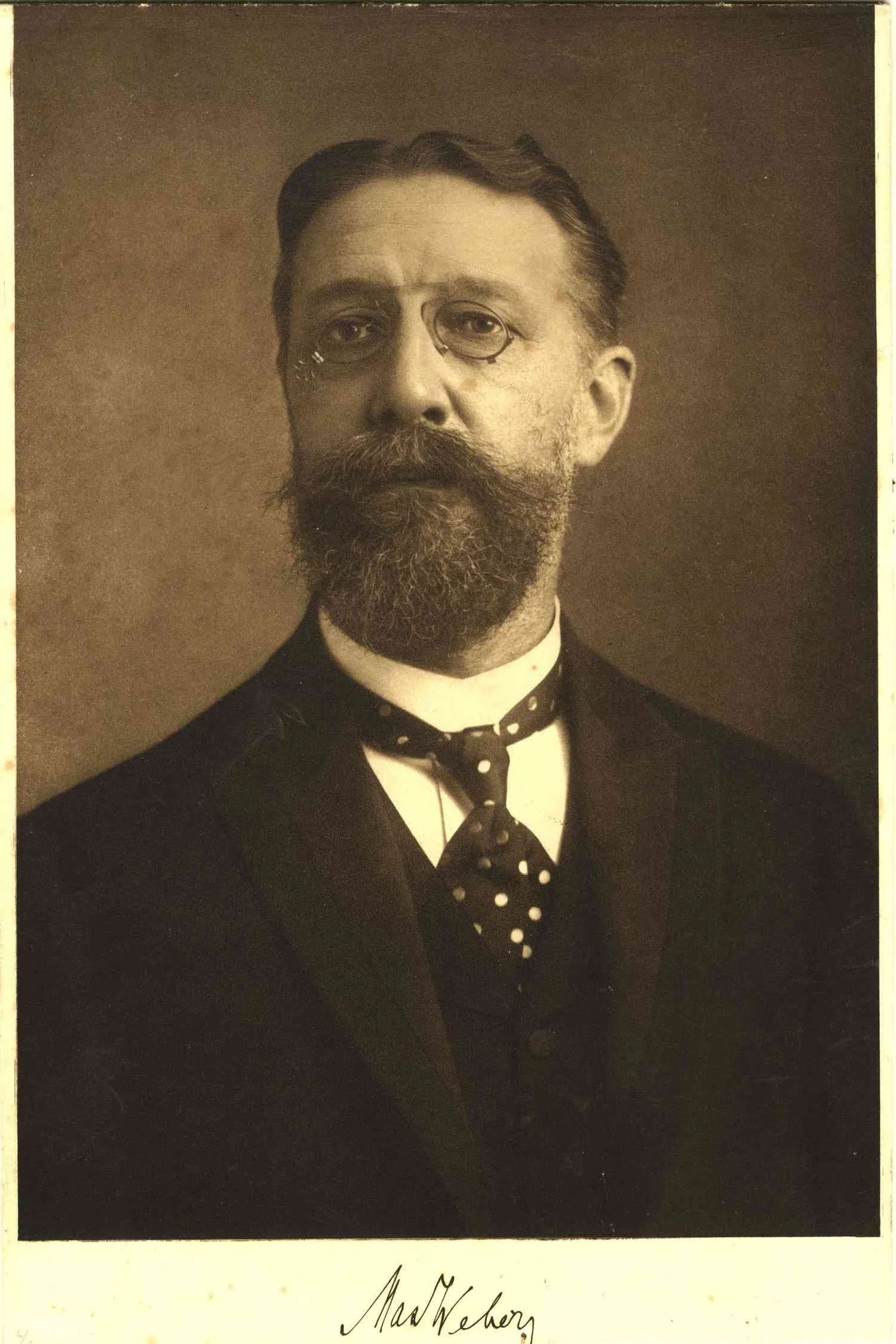
Inspired by conversations from our reading groups this summer, we will be returning to Max Weber’s “Science as a Vocation.” This will be a student-led discussion. We hope you’ll consider joining us for this pop-up seminar!
In "Science as a Vocation," Max Weber offers a sober diagnosis of a disenchanted world, one in which science provides knowledge and technical mastery but cannot supply ultimate meaning. With Weber’s central argument in mind, we'll consider the following question: In a world often described as "disenchanted," why does the longing for wonder, transcendence, and meaning beyond empirical understanding persist?
Facilitated by Ry Papadopoulos
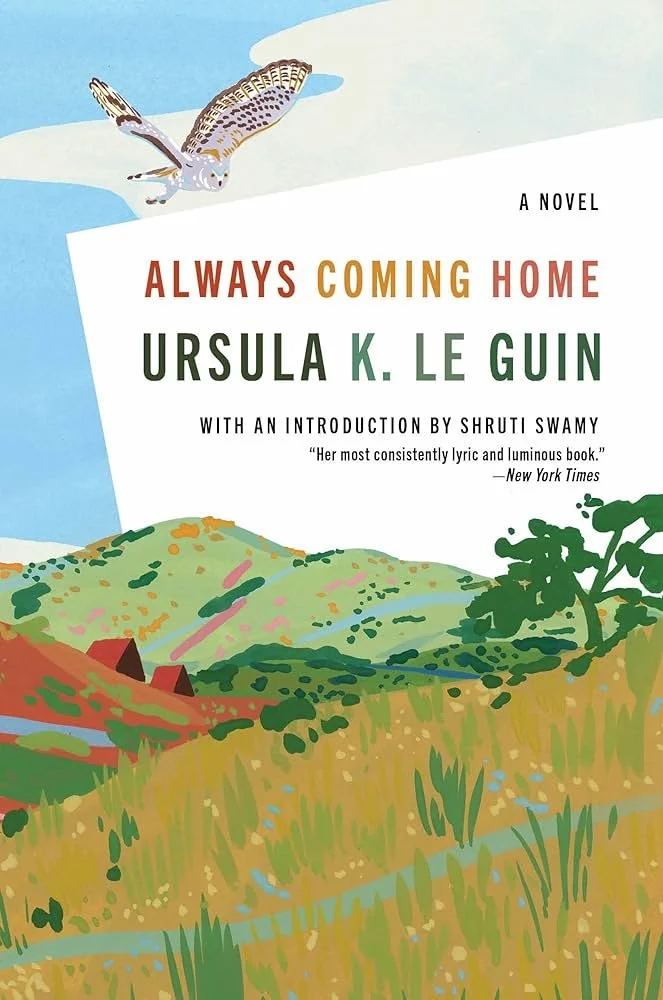
Always Coming Home Reading Group
For more information and to register, visit https://www.binst.org/summer2026
Always Coming Home Reading Group
For more information and to register, visit https://www.binst.org/summer2026
Always Coming Home Reading Group
For more information and to register, visit https://www.binst.org/summer2026
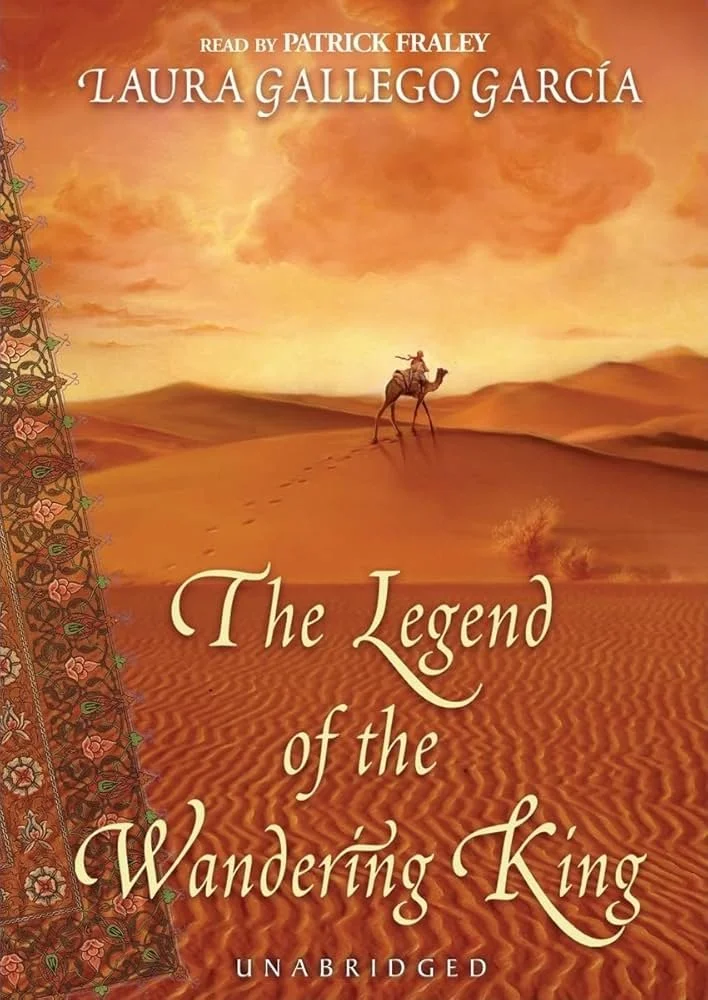
The Legend of the Wandering King Reading Group
For more information and to register, visit https://www.binst.org/summer2026
The Legend of the Wandering King Reading Group
For more information and to register, visit https://www.binst.org/summer2026
The Legend of the Wandering King Reading Group
For more information and to register, visit https://www.binst.org/summer2026
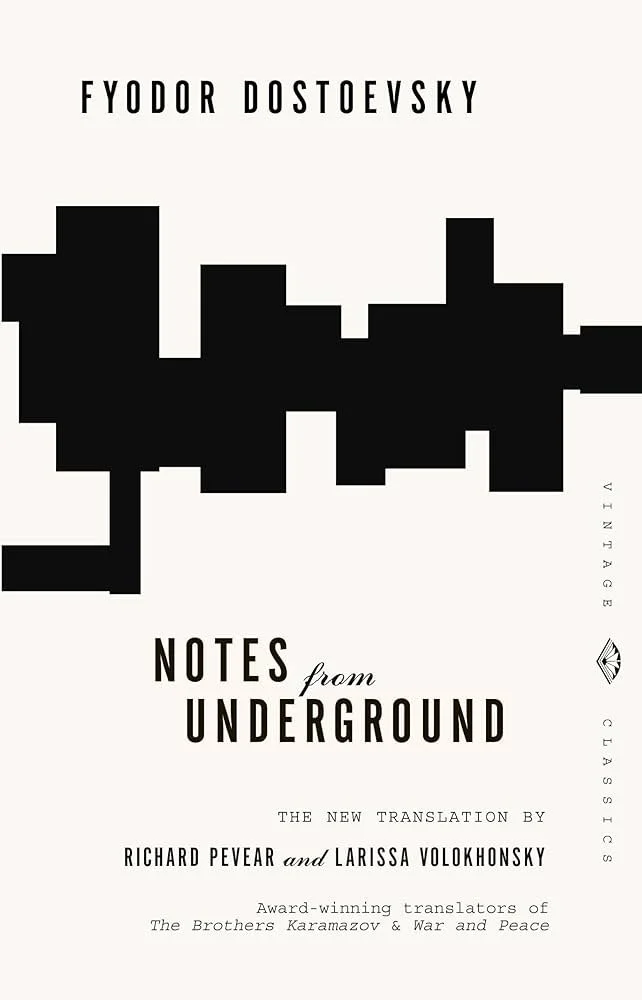
Notes from Underground Reading Group
For more information and to register, visit https://www.binst.org/summer2026
Notes from Underground Reading Group
For more information and to register, visit https://www.binst.org/summer2026

The Moral Formation of the Technologist: Training Ethical Engineers for a New Era
For more information and to rsvp, visit https://www.binst.org/ethicsengineering

Aesop's Fables Reading Group
For more information and to RSVP, visit https://www.binst.org/aesopfables.

Second Nature: On Félix Ravaisson’s "Of Habit"
For more information and to RSVP, visit https://www.binst.org/secondnature.

Society as a Moral Body: Catholic Political Theology in Revolutionary Philippines
For more information and to RSVP, visit https://www.binst.org/societymoralbody.
Second Nature: On Félix Ravaisson’s "Of Habit"
For more information and to RSVP, visit https://www.binst.org/secondnature.

Education and Living in the World: What We Owe Young People
For more information and to RSVP, visit https://www.binst.org/educationandliving.
Aesop's Fables Reading Group
For more information and to RSVP, visit https://www.binst.org/aesopfables.


By Heart: A Workshop on Memorizing Poetry
For more information and to RSVP, visit https://www.binst.org/memorizingpoetry.

Moral Reflection and the Public University: Three Stories from Literary Theory
For more information and to RSVP, visit https://www.binst.org/moralreflection.
Aesop's Fables Reading Group
For more information and to RSVP, visit https://www.binst.org/aesopfables.

Moral Life and the Modern World: Undergraduate Colloquium
For more information and to RSVP, visit https://www.binst.org/modernworld.
Moral Life and the Modern World: Undergraduate Colloquium
For more information and to RSVP, visit https://www.binst.org/modernworld.


F25 Holiday Party
All are welcome to learn more about our mission and programs at the Berkeley Institute. To RSVP, click HERE.

Housekeeping Reading Group
For more information and to RSVP, visit https://www.binst.org/housekeeping.

Plainchant, Presence, and the Problem of Enchantment
For more information and to RSVP, visit https://www.binst.org/poeticsofnotation.

Campus Conversations Series
For more information and to RSVP, visit https://www.binst.org/f25campusconversations.

Poetry Can Re-Enchant the World: A Seminar on Gerard Manley Hopkins
For more information and to RSVP, visit https://www.binst.org/hopkinspoetry.

Campus Conversations Series
For more information and to RSVP, visit https://www.binst.org/f25campusconversations.